 Live Course
1-Day ECG Interpretation Course
Medina Medical Education
Sat 11 Jul
Clinical Skills & WorkshopWebinar & Seminar
£200
Find courses, revision resources, and question banks for surgeons across all surgical subspecialties. From MRCS exam prep to operative skills training.
5 live events
Live CourseMedina Medical Education
£200
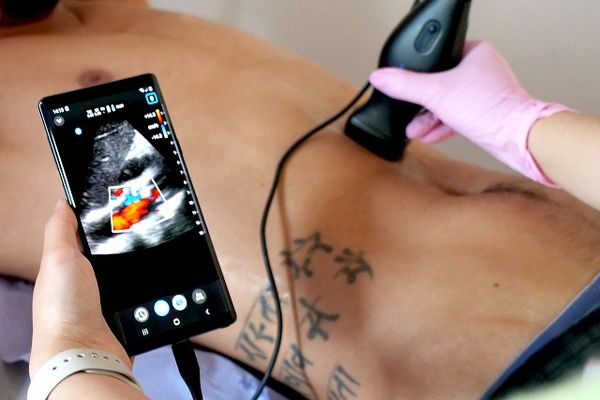 Live Course
Bromley Emergency Courses
£395
 Live Course
g&h CritCareEcho
£139
34 on-demand courses

Medset
£129
Verified Provider
Pastest
£27.99
Verified Provider
Orthopaedic Research UK
£180

Qyology
From £99

Medset
£129
Verified Provider
Orthopaedic Academy
From £120/month
Verified Provider9 question banks

Medibuddy
From £30
Verified Provider
Higher FRCS
£99/month
Medibuddy
From £60
Verified Provider
Quesmed
From £74.99/6 months
Verified ProviderMedibuddy
£85
Verified Provider
Orthopaedic Academy
£34.99/month
Verified Provider56 courses relevant across every specialty

Career4Doctors
£329.00
Make a Medic
£7.99

Teach the Dr Teacher
£145
Agency Ready
£147.00
Medibuddy
From £12
Verified Provider
Clinical Skills Pro
From £129
Verified ProviderAre you a surgeon or surgery trainee? We're always looking to improve our content. Share your insights on training pathways, exam tips, and career advice.
Contribute to MedCourse